Google Ads for Small Businesses: How to Get More Customers

Google Ads for Small Businesses: How to Get More Customers

A small business doesn’t need millions of people to visit its website. It needs the people at the exact moment they are looking for what the business offers.

This is difficult to achieve with organic methods. Search engine optimization takes a time. The reach on media is not certain. Meanwhile someone close by is typing “emergency dentist near me” now and one of the businesss competitors is appearing for that search.

This is where Google Ads for businesses can make a difference. It shows the business to people who are actively searching for the product or service. The business has control over the budget the location and the message. It is not a miracle. It can waste money if not done properly.. When set up with a clear goal it becomes one of the most trackable ways to get calls, messages, bookings or sales.

In this guide you will learn how Google Ads works what it might cost, how to pick keywords create ads, design landing pages, measure results, avoid errors and decide if it is a good fit, for the business.

How Does Google Ads Work?

When someone does a search on Google Google finds advertisers whose words match that search. Ads that are eligible go into an auction. Google decides which ads appear and in what order based on how they are willing to pay how relevant the ad is, how well it is expected to perform and how good the landing page is. You only pay when someone clicks on the ad.

The basic process is like this:

Customer searches → Google finds ads that fit → An auction takes place → The ad appears → Customer clicks → The landing page shows → A conversion happens

Keep in mind that you can’t just pay your way to the top. A bigger bid can help,. An ad that is more relevant and has a better landing page can beat a higher bid and get a better position for less money. That is why a small business with a plan can compete with big companies.

The idea that should always be, in your mind when working on your account is this:

Business goal → Search intent → Keyword → Ad → Landing page → Conversion → Measurement

If any part of this chain is not strong the whole campaign will suffer. Great ads sending visitors to a page are a waste of money. A great landing page that uses the keywords won’t get any traffic.

Why Should Small Businesses Use Google Ads?

Google Ads suits businesses for several practical reasons:

  • High-intent reach: people who type “AC repair in Prayagraj” usually need help right away not just scrolling social media.
  • Visibility: you can show up on the first page without waiting months for organic rankings.
  • Location control: target a city, a radius or specific areas.
  • Budget control: set a budget and change it anytime.
  • Measurability: you can see which keywords bring calls, forms or sales if tracking is set up.
  • Flexible goals: leads, calls, store visits, bookings or online sales.

When Google Ads may not be the first channel:

Your website cannot take enquiries or sales if it is broken very slow or has no contact options.

Nobody searches for what you sell so there is demand to capture.

Your profit margin, per customer is too low to cover the cost of clicks.

You cannot respond to enquiries quickly. Paying for leads you ignore is expensive.

Sometimes fixing the website Google Business Profile or offer first is the move.

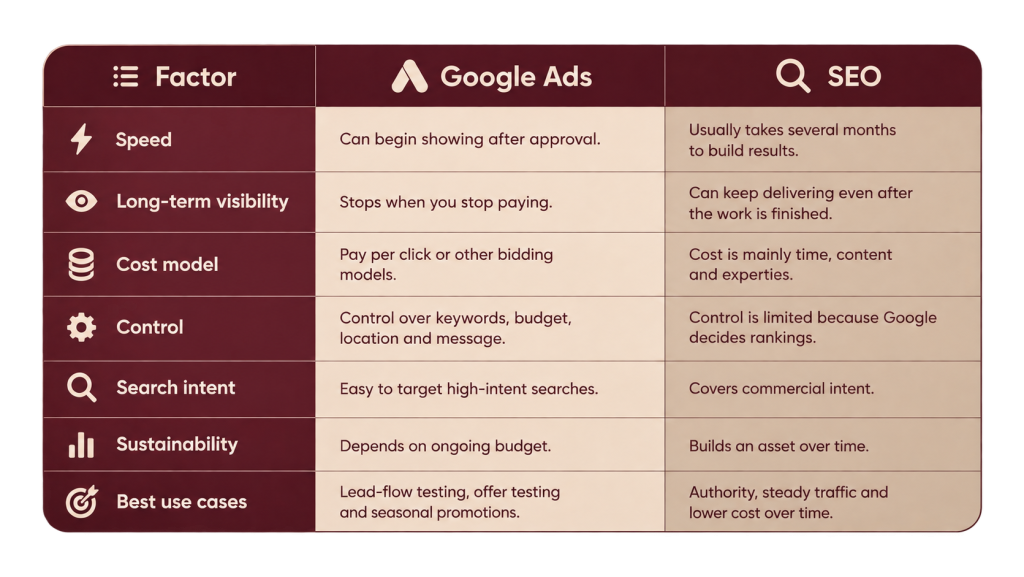
Google Ads vs SEO: What's Better for a Small Business?

How to Choose the Right Google Ads Keywords

Keywords connect your ad to the person who is searching. Picking them right is mostly about understanding search intent. What the person really wants when they type something into the search box.

  • Informational intent means the user is looking to learn. For example someone searching “how to whiten teeth” wants information. They’re not ready to buy
  • Commercial intent shows the user is comparing options. A search like ” dental clinic in [city]” means they are looking at different clinics and might be close to making a decision.
  • Transactional intent is when the user is ready to act. A search like “book dentist appointment today” shows they want to do something now.
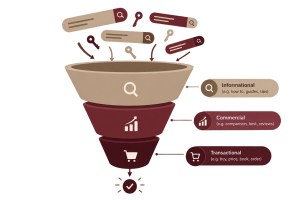
For small businesses, commercial and transactional keywords usually bring in customers who are closer to buying. These people are more likely to take action.

Of just using a broad term like “dentist,” which can be very competitive and expensive a local clinic might do better with more specific ones:

  • “dentist near me”
  • “emergency dentist in [city]”
  • “teeth cleaning clinic in [city]”
  • “root canal treatment cost in [city]”

These kinds of keywords help attract people who are already looking for what you offer.

Here are some key principles for choosing keywords:

  1. Be specific. Long-tail keywords. Those that are longer and more detailed. Reach people who are closer to making a decision. For example “affordable root canal treatment in [city]” is better than root canal.”
  2. Add location if your business serves an area. This helps you catch people nearby who are actually looking to visit.
  3. Match your keywords to the services you actually offer and want to grow. Don’t target what you don’t provide. If you don’t do teeth whitening don’t use that keyword.
  4. Use keywords. These stop your ad from showing up for searches that don’t fit. A premium interior designer might add “” “jobs,” “course,” or “DIY”, as negative keywords to avoid irrelevant clicks.
  5. Check your search terms report often. This shows you the words people used to find your ad. It helps you find opportunities and fix mistakes.

Keyword choice should always fit your business and your location. Copying what a competitor uses rarely works. What works for one business might not work for another. Think about your services, your customers and your area. Then build your keyword list from there.

How to Write Google Ads That Get Attention

Good ad copy does one thing: it tells the right person that you have exactly what they were looking for and it makes the next step clear.

What to include:

  • Keyword relevance: Use the words someone searched for. Match their intent exactly.
  • Clear value proposition: Say why you are better. Be honest about what sets you
  • Specific benefits: Share details. For example if you offer same-day appointments say so. Only include what is true.
  • Call to action: Make it easy to act. Use phrases like “Call, “Book a Consultation” or “Get a Free Quote”.
  • Trust signals: Add proof. Mention years of experience, certifications or verified reviews—only if they are real.
  • Location relevance: Name the area you serve. If you help people, in Austin say Austin.

Why Your Landing Page Matters

A landing page is the page someone lands on after clicking your ad. Imagine it like this:

                                       Ad → Landing Page → Conversion

You can pay for a click and lose it in three seconds if the page is not right.

What a good landing page does:

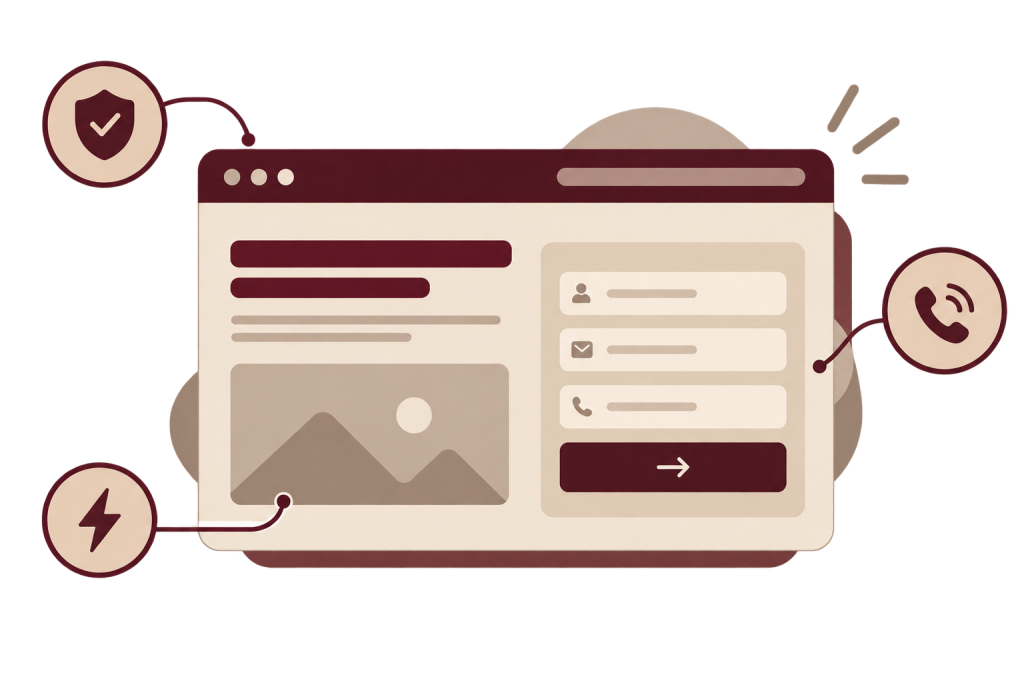
  • Message match: the page continues what the ad promised.
  • Clear headline that tells the visitor they are, in the place.
  • One strong CTA: a button, form or phone number that’s easy to find.
  • Usability: most local searches happen on phones.
  • Loading: slow pages make people leave.
  • Trust signals: reviews, certifications photos.
  • Simple forms: ask for what you need. Fewer fields usually means submissions.
  • Relevant information: services, pricing guidance, location, hours.
  • Contact options: call, WhatsApp, form, directions.

Should every ad go to the homepage? Usually not. Someone searching “teeth whitening in [city]” should land on a teeth whitening page, not a homepage where they have to look for it.
Google Ads Conversion Tracking: What Should You Measure?

Clicks show that people visited your page.. Clicks don’t tell you if your money was well spent. Conversion tracking is what shows the actions that matter.

Common conversions include:

  • Form submissions
  • Phone calls made from ads or your website
  • Purchases
  • Appointment bookings
  • Sign-ups
  • Quote requests
  • WhatsApp enquiries, when tracked properly

The funnel that actually matters looks like this:

             Click → Lead → Qualified Lead → Customer

A click means someone landed on your site. A lead is someone who reached out to you. A qualified lead is someone who truly needs your service and can afford it. A customer is the person who paid.

Many campaigns seem strong at the lead stage but fall apart later because the leads weren’t good quality. That’s why tracking beyond Google’s dashboard is important. You should record which enquiries turned into customers in your CRM or even a simple spreadsheet. Google Ads. Skillshop have clear steps, on setting up conversion tracking correctly.

How to Get More Customers From Google Ads

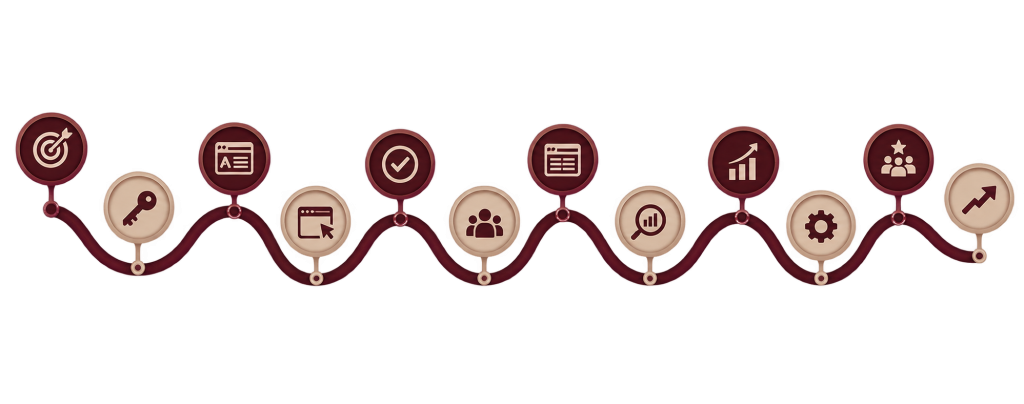
  • Define the business goal. Choose one objective: calls, bookings, quotes or sales. Make it clear what success looks like.
  • Identify the customer. Who benefits most from your service? Where do they live? What problem are they trying to solve?
  • Research search intent. Think about what that person would type into a search engine when they need help.
  • Choose keywords. Start with a focus. Group similar keywords together to stay organized.
  • Build campaigns. Create campaigns or ad groups for each service you offer.
  • Write ads. Match the ad to the keyword. State a clear. Include a strong call to action.
  • Optimize landing pages. One page for each service. Keep them fast and easy to use on devices.
  • Set up conversion tracking. Track what matters—calls, form submissions, bookings or purchases.
  • Launch, with controlled targeting. Start with locations. Use a budget. Set a start date.
  • Analyze performance. Look at search terms conversions and lead quality—not how many clicks you get.
  • Optimize. Add keywords. Pause underperforming keywords. Refine your ads. Improve your landing pages.
  • Scale carefully. Increase your budget slowly. Do it when results show its working.
Is Google Ads Worth It for Small Businesses?

– Google Ads works best when customers are searching for the product you sell.

– Google Ads succeeds if your customer lifetime value and profit margin can cover the cost of each click.

– Google Ads performs well when competition and cost, per click are manageable.

– Google Ads needs an competitive offer.

– Google Ads requires a good landing page and reliable tracking.

– Google Ads needs enough budget to collect useful data.

I have seen Google Ads fall flat when there is search demand, when margins are thin when the website is weak or when leads are not followed up. The honest approach is to test measure properly and decide with data.

How Google Ads Can Work With SEO and Content Marketing

Paid and organic channels can work together:

Keyword insights: Ads data shows which searches result in sales, which can help set goals for SEO.

Search intent: you discover what people are really looking for and what makes them take action.

Landing pages: pages created for ads can also welcome people who come from search.

Content: blog posts and guides help people who’re not ready to make a purchase yet.

Brand visibility: being visible in both paid and organic results can build trust.

Retargeting, when needed: remind visitors who did not make a purchase the time.

Term organic growth: over time SEO can help reduce the need, for paid traffic.

F.A.Q.

Neither is better, in every situation. Google Ads works faster. Gives more control over how things are shown. SEO helps build visibility that lasts for a time. Many businesses end up using both methods together.

Track conversions like calls, forms, bookings and sales. Also look at the cost, per conversion. Ideally see how many leads turned into customers not just how many clicked or were shown the ad.

Yes many owners do. It needs time for owners to learn keywords, tracking and optimization. Many owners get help from an agency when budget grows or results stall.

It can happen if people look for your service and the money you get from each customer pays your expenses. Watching what happens and having a landing page mostly determines what happens. You can’t ever be sure you’ll get results.

Search campaigns are usually the place to start because they connect with people who are already searching for your service. E-commerce stores might also want to look at Shopping or Performance Max campaigns.

Futurixmedia

Your next article should do more than get published.

Helpful content takes strategy, original insight and ongoing improvement. Futurixmedia helps you build content that readers trust and search engines understand, across SEO, AEO, GEO and AI-powered marketing.

Get Your Content Strategy Information → No pressure. Just a clear plan for what to fix first.

Leave a Comment

Your email address will not be published. Required fields are marked *

Scroll to Top